J. S. Bach — The Original Full-Stack Engineer of Music
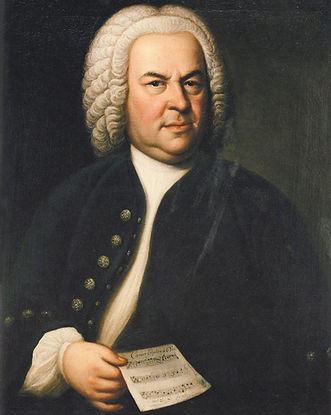
Johann Sebastian Bach (1685–1750) wasn't just a composer; he was basically the human version of a perfectly structured codebase. While everyone else in the Baroque era was improvising spaghetti-code melodies, Bach showed up and said, "Let's implement some architecture, people."
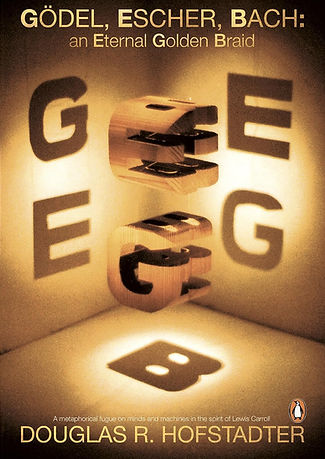
Bach's masterpieces — from the Brandenburg Concertos to the Well-Tempered Clavier — aren't just beautiful; they're beautifully engineered. A fugue is basically recursive programming set to sound. Voices enter like well-behaved threads, execute their logic, and resolve without deadlocks. If only modern software worked that cleanly.
When developers talk about "clean code," they don't know it, but they're chasing Bach: modular, reusable musical components, zero bugs, infinite scalability. He even did version control—every variation in the Goldberg Variations is Bach doing a formal code refactor, proving the man invented Git before electricity.
So if you've ever listened to Bach, know this: Bach didn't just write music. He wrote algorithms that happened to sound divine.
碼農愛音樂怎麼可以不愛 J. S. 巴赫!